
Service
Design that makes the product obvious.
We design interfaces around real tasks: fewer steps, clearer language, and screens people can use without training.
UI/UX Design
What this engagement is for
We do not decorate screens after the engineering is done. Design sits with product and engineering so flows, states, and edge cases are considered before they become expensive. The goal is a product that feels calm and direct.
- Best for
- New products, confusing existing tools, and teams that need a design system before they scale the UI.
- Typical timeline
- 3–8 weeks for core flows and a visual system

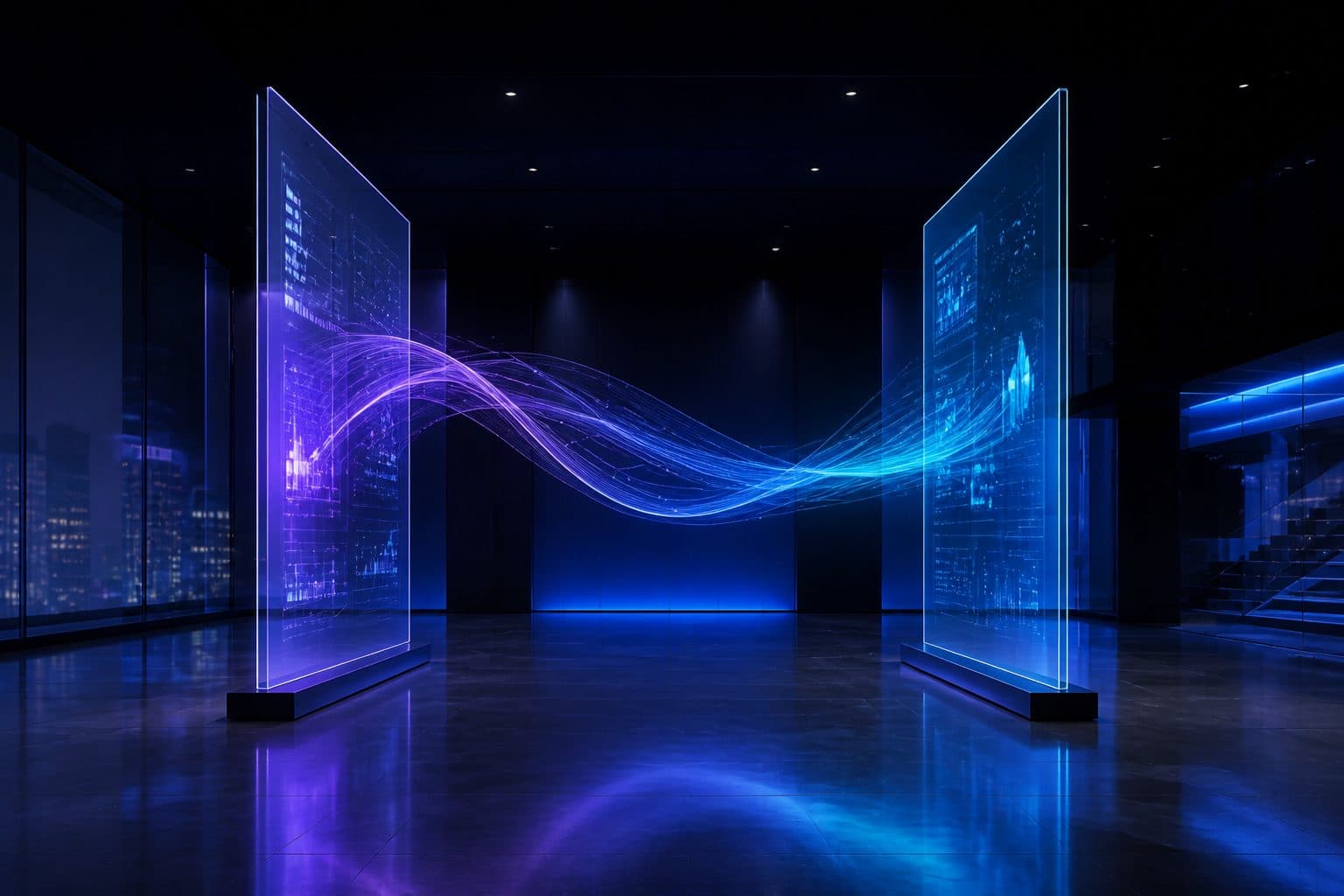
Floating glass interface cards in a dark studio
Outcomes
What you leave with
We measure the work by the product decisions and assets you can use next — not by a slide deck.
- 01
Flows mapped against real user jobs
- 02
High-fidelity screens engineering can implement
- 03
A simple design language you can reuse
- 04
Empty, error, and loading states — not just the happy path
How we work
A short path from conversation to something real.
- 1
Understand
We watch the current process — or sketch the intended one — and find where people get stuck.
- 2
Prototype
We design the critical paths first so you can react to something concrete.
- 3
Systematise
We turn decisions into a small system so the next screens stay consistent.
Deliverables
What we produce
- UX flows and information architecture
- UI screens for key journeys
- Component patterns and visual tokens
- Handoff notes for engineering
Questions
Before you start
Both. Design can be a standalone sprint, or it can run with engineering as one product team.
Yes. We often improve the highest-traffic flows first, then roll a system through the rest.
Related
Services teams often combine

Let's Build Something
Have an idea that could become a product?
Whether you are starting with an idea, validating a concept, or looking to build a complete SaaS platform, we'd love to hear from you.
Tell us what you're building.